Jun 2026
Fast shipping
Awesome service. Fast shipping.
Ryan Matus· US Verified
This site supplies research compounds for laboratory use only. You must be 21 years of age or older to enter.
By entering you confirm you are 21+ and agree to our Terms of Service. Products are for research use only — not for human consumption.
regenerative
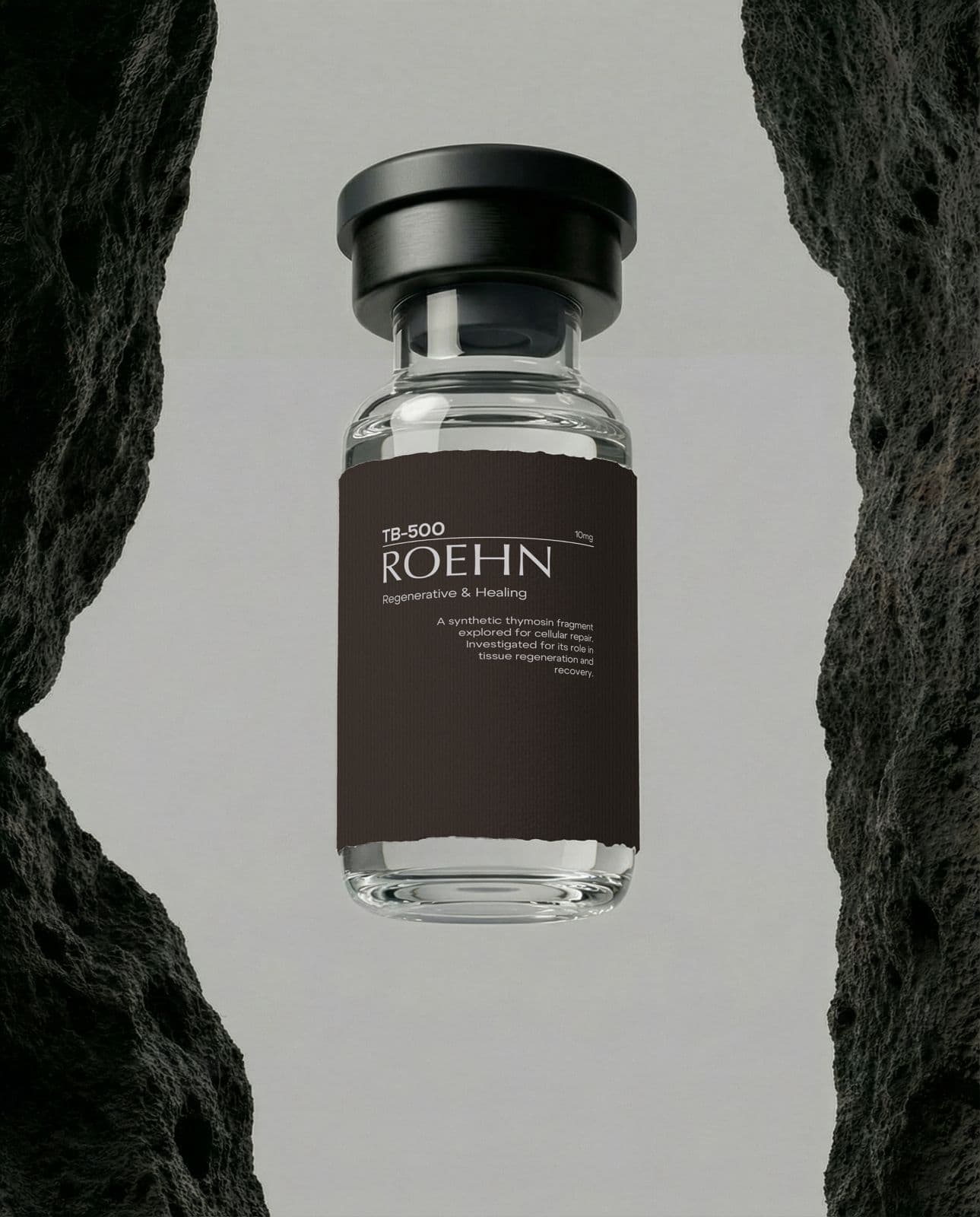
Research Use OnlyTB-500 is a synthetic peptide corresponding to the active 17-amino-acid fragment of Thymosin Beta-4. Investigated in pre-clinical literature for its action on actin sequestration, cell migration, and angiogenic signaling pathways. Sold for laboratory research and identification purposes only. Not for human consumption.
Research Use Only. Not for human consumption. Not intended to diagnose, treat, cure, or prevent any disease.
Quantity
Free shipping over $500
Paying by Zelle / Apple Cash
New to sending payment this way? It's quick, and your order is protected:
If we ever can't fulfill your order, you're refunded within 1–2 business days.
TB-500
$142
Technical Data
Quality Assurance
Certificate of Analysis
Verified Feedback
2 verified reviews
2 reviews
Awesome service. Fast shipping.
The only reason it is not 5 stars is because it took 2.5 weeks to get my order. Customer service is great.
Research Overview
TB-500 is a synthetic fragment encompassing the biologically active region of Thymosin Beta-4 (Tb4), a 43-amino-acid protein expressed in virtually every nucleated mammalian cell. The fragment retains the actin-binding domain responsible for the protein's influence on cytoskeletal organization — a process central to cell motility, wound closure, and tissue regeneration.
Research has established TB-500's capacity to sequester monomeric actin (G-actin), thereby regulating the polymerization dynamics that drive cell migration toward injury sites. This mechanism has been studied in the context of cardiac tissue recovery following ischemic events, skeletal muscle fiber regeneration, tendon remodeling, and endothelial cell proliferation during angiogenesis.
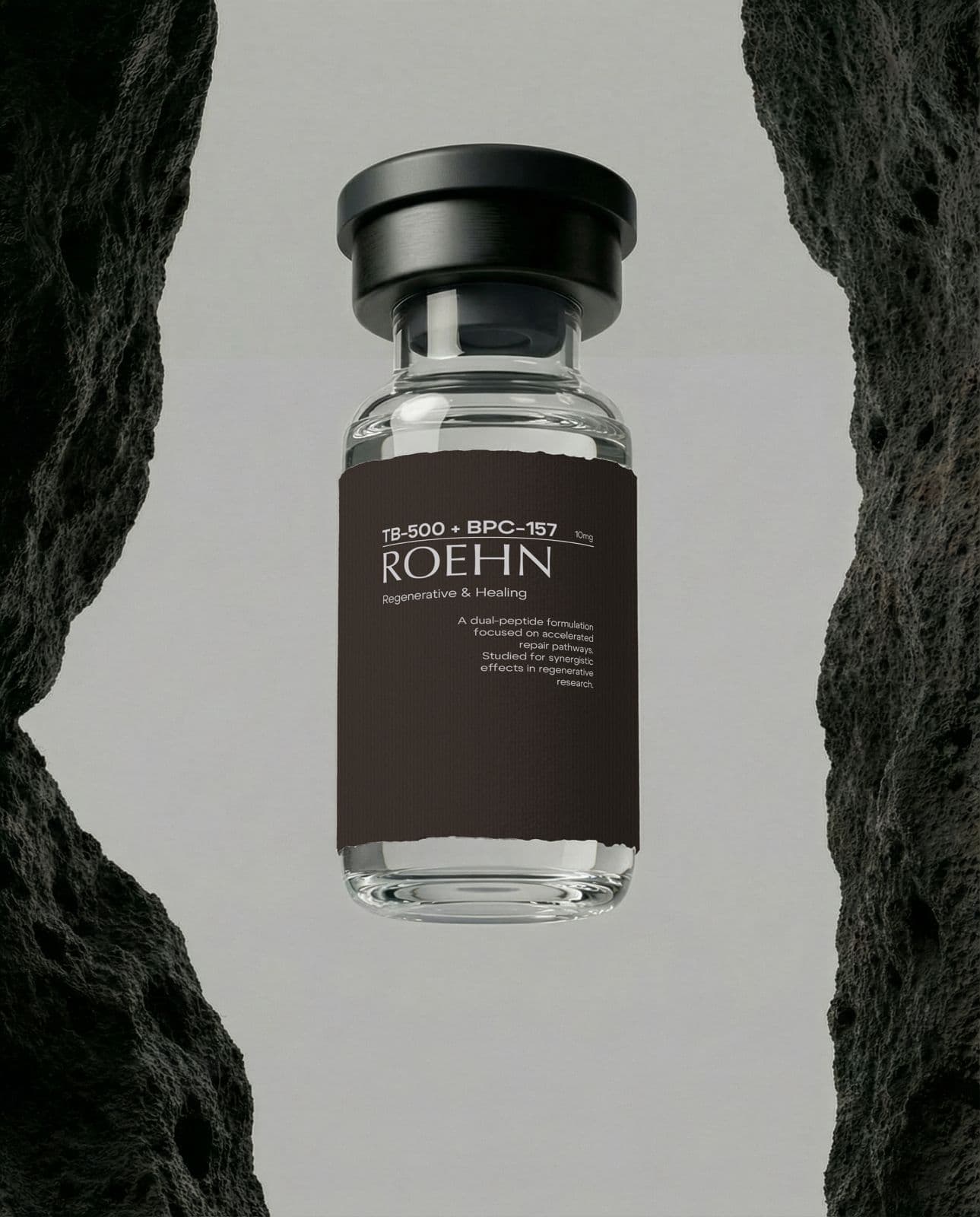
ROEHN's TB-500 is manufactured to 99% HPLC-verified purity and supplied as a lyophilized powder for maximum shelf stability. Its distinct mechanism of action — operating through cytoskeletal pathways rather than growth factor signaling — makes it a frequent companion to BPC-157 in combined-treatment research designs targeting connective tissue and soft tissue repair.